8 Ways to go help save the planet during plastic-free July
8 Ways to go help save the planet during plastic-free July
Plastic Pollution has become one of the most pressing problems of the modern world. There is a rapid increase in the production of disposable and single use plastic products, and this rate is much higher than the world’s capability to deal with them, thus, effectively overwhelming the entire world at once. Plastic pollution is most visible in developing Asian and African countries, but it is also abundant in developed countries where the recycling rates are also low, and they are struggling to deal with this problem as well. Plastic pollution is becoming a huge problem for our world, less than 9% is recycled and this is affecting the environment at a rate that is causing environmental stress globally. This has caused a huge shift of attitude in people who are beginning to opt for plastic-free products.
Why is plastic pollution harmful?
Plastic has been without a doubt a short-term benefit to mankind, but like other benefits of an industrial society such as petroleum, pesticides, or antibiotics, our over-reliance is harming both the human race and the natural world. Plastics keep their same chemical nature when broken into smaller pieces, even after becoming too small to be seen through a microscope. Because they are similar to natural substances, these tiny pieces can be readily absorbed directly into the blood and tissues of living organisms. They even transverse the protective barrier between blood vessels and the brain. This is why plastic-free July is celebrated to raise awareness about the negative effects of plastic.
- Plastic is made from petroleum oil which is not sustainable.
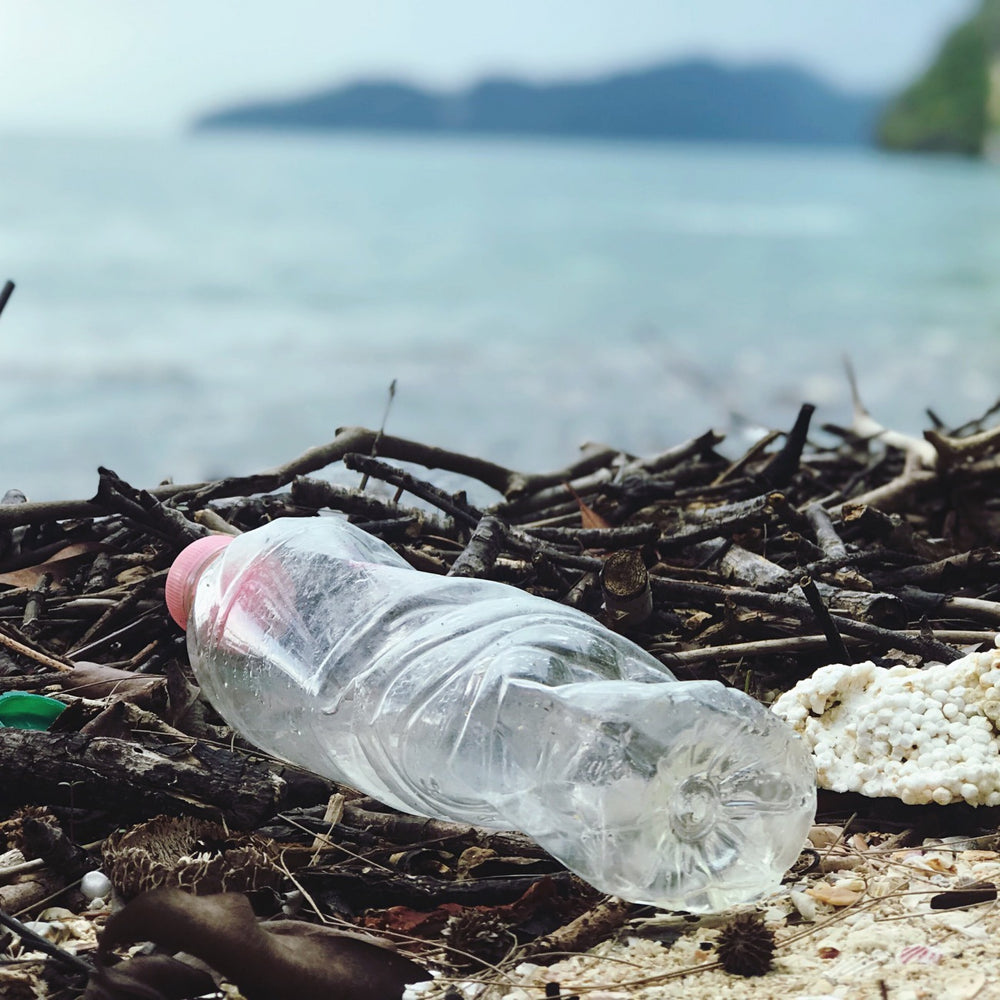
- It takes at least 450 years for a single plastic bottle to decompose.
- Single-use plastics account for more than 40 percent of the plastic produced every year.
- Every minute, a garbage truck's worth of plastic pollution ends up in the ocean.
- Scientists have found Bisphenol A (BPA) in more than 90 percent of Americans tested.
- Wildlife has been severely affected by coming in contact with plastic.
How can you contribute to plastic-free campaign?
- Avoiding bottled water and carrying reusable water bottles
- Using reusable shopping bags made of cloth, or paper bags
- Ditching single-use plastic straws for metal straws
- Recycling non-biodegradable waste
- Buying seasonal things for food
- Shopping from local vendors
- Avoiding single use pads and tampons and switching to reusable cloth pads or menstrual cups
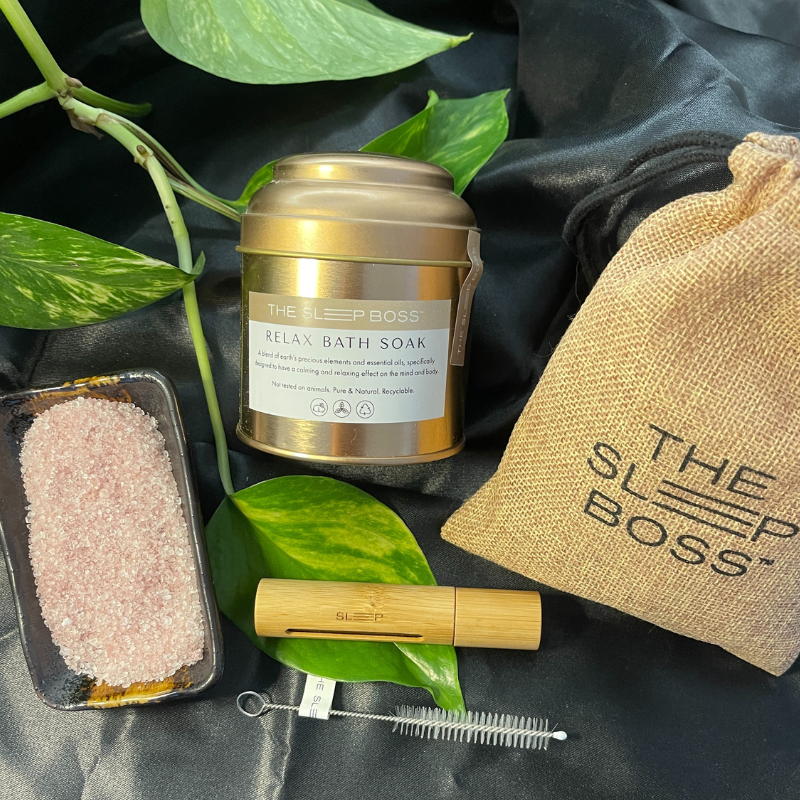
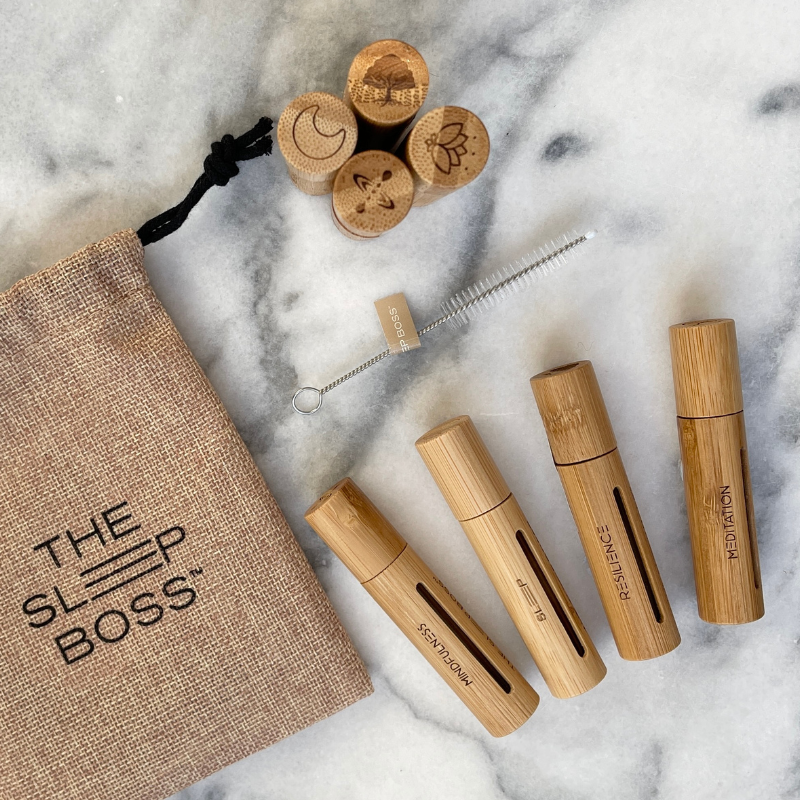
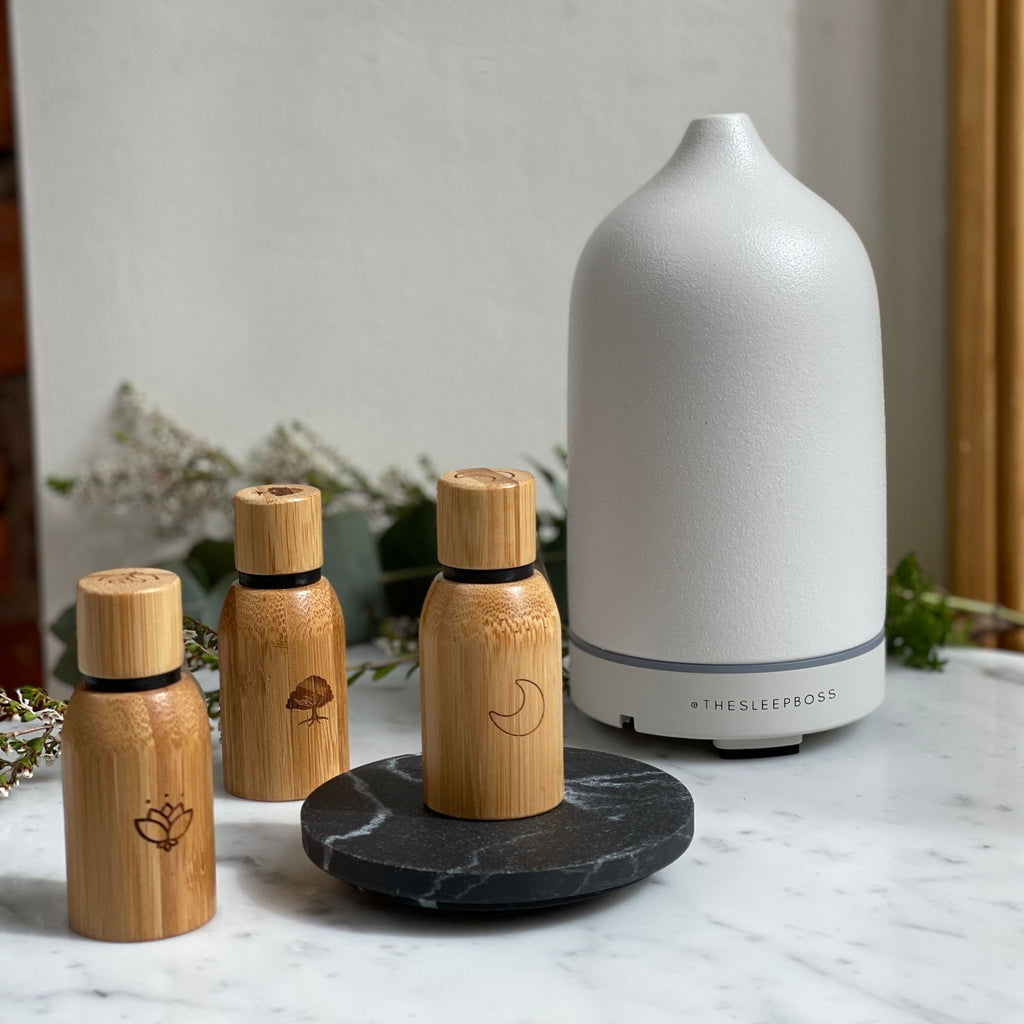
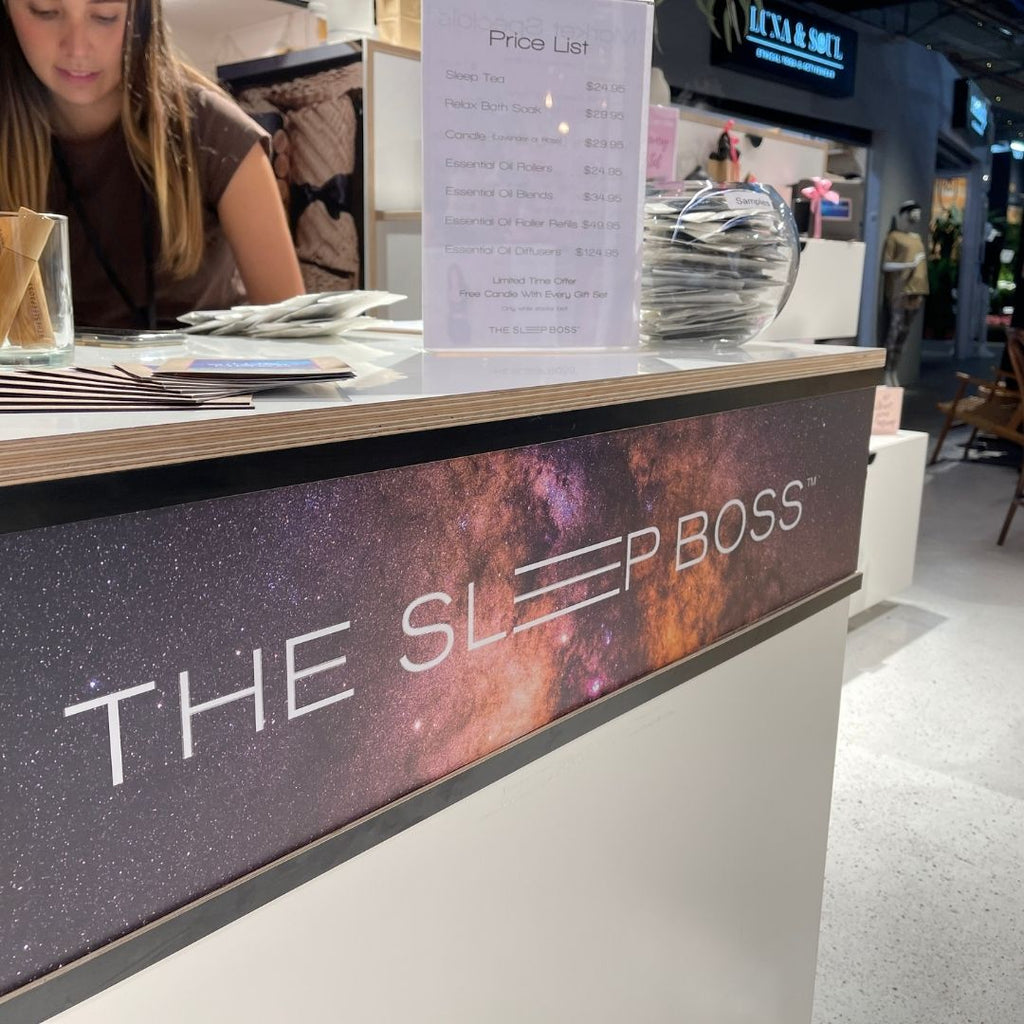
- Shopping from vendors who provide plastic-free products and eco-friendly packaging, and actively work to help the environment through plastic-free campaigns, like The Sleep Boss.
Plastic can be handy, but its impact on the environment is huge; the different types of plastics, microplastics, and additives are harmful to animals and humans. To reduce the amount of plastic that we touch every day, we all need to go on a plastic diet. We can’t avoid it – we are surrounded by plastic. The material has become so ubiquitous that we believe that we can’t live without it anymore. However, we can make an effort to reduce the amount of plastic we use by consciously opting for plastic-free products and finding ways to ensure we sort and recycle plastics as much as possible.
Related post
31
Jul

20
Jul
14
Jul
30
May
06
May
SHOP BY BLEND


SHOP BY PRODUCT


RECENT POSTS